Kalagrama
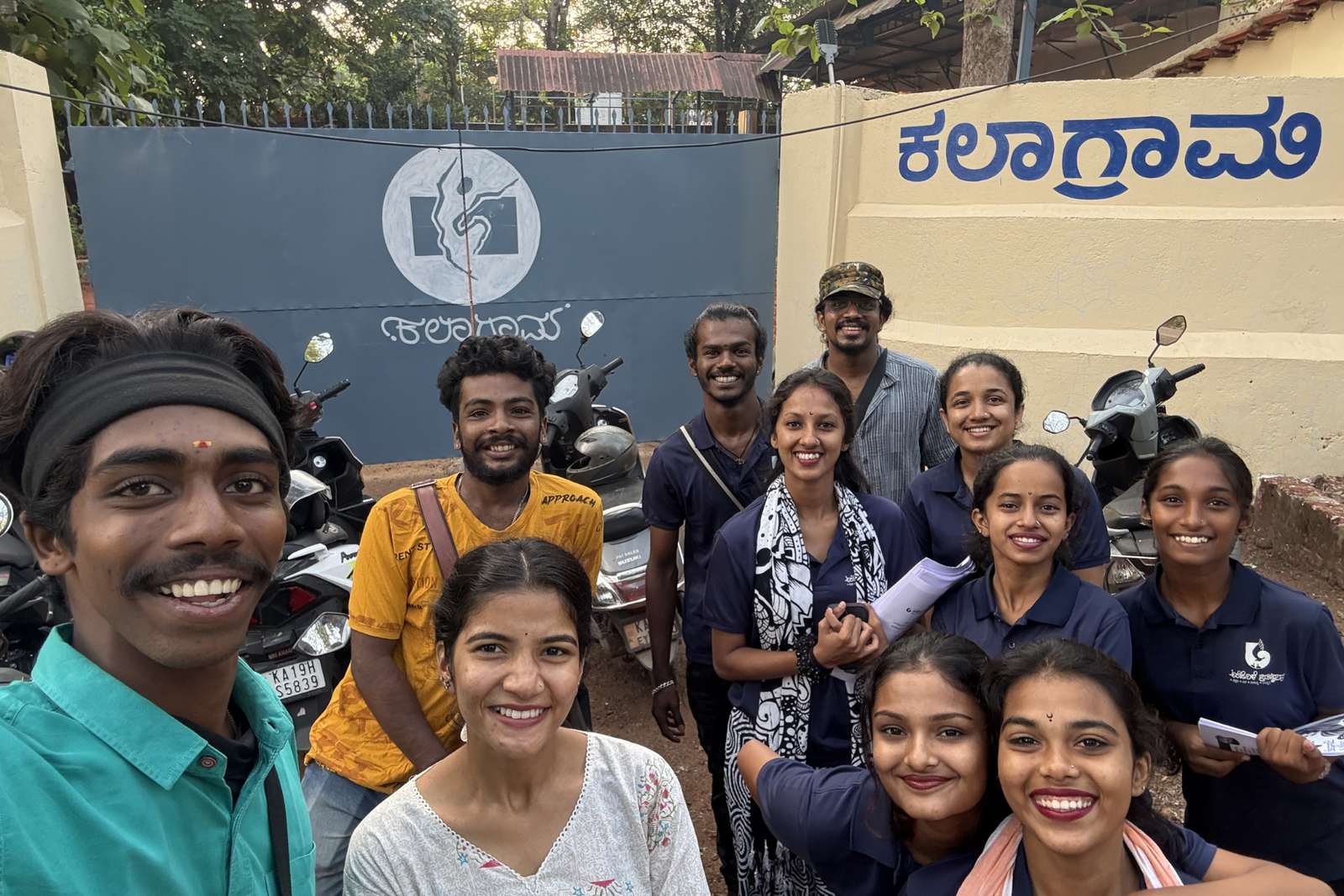
Kalagrama is not merely the story of a new venue in Kalabhi's journey. It represents the moment when years of artistic practice, theatre activity and cultural engagement began to find a more permanent creative home.
One of the major challenges faced by theatre groups in Dakshina Kannada had long been the lack of suitable spaces for rehearsals and performances. Many groups depended on house terraces, college auditoriums or temporarily available venues. Against this background, Arehole Prathishtana, which had been organising theatre festivals for several years, recognised the need for a continuous space dedicated to artistic practice. Kalabhi subsequently joined hands with Arehole Prathishtana, and together they identified a property in Bondel, Mangaluru, with an existing hall. The property was taken on lease and gradually transformed into a cultural space by developing a stage while retaining the greenery and natural character of the surroundings.
Kalagrama was never envisioned as a theatre venue alone. The larger idea was to create a shared space where theatre, dance, Yakshagana, visual arts and other forms of artistic expression could come together. Rehearsals and performances would form one part of its activity, alongside workshops, seminars, discussions, art camps and other creative processes.
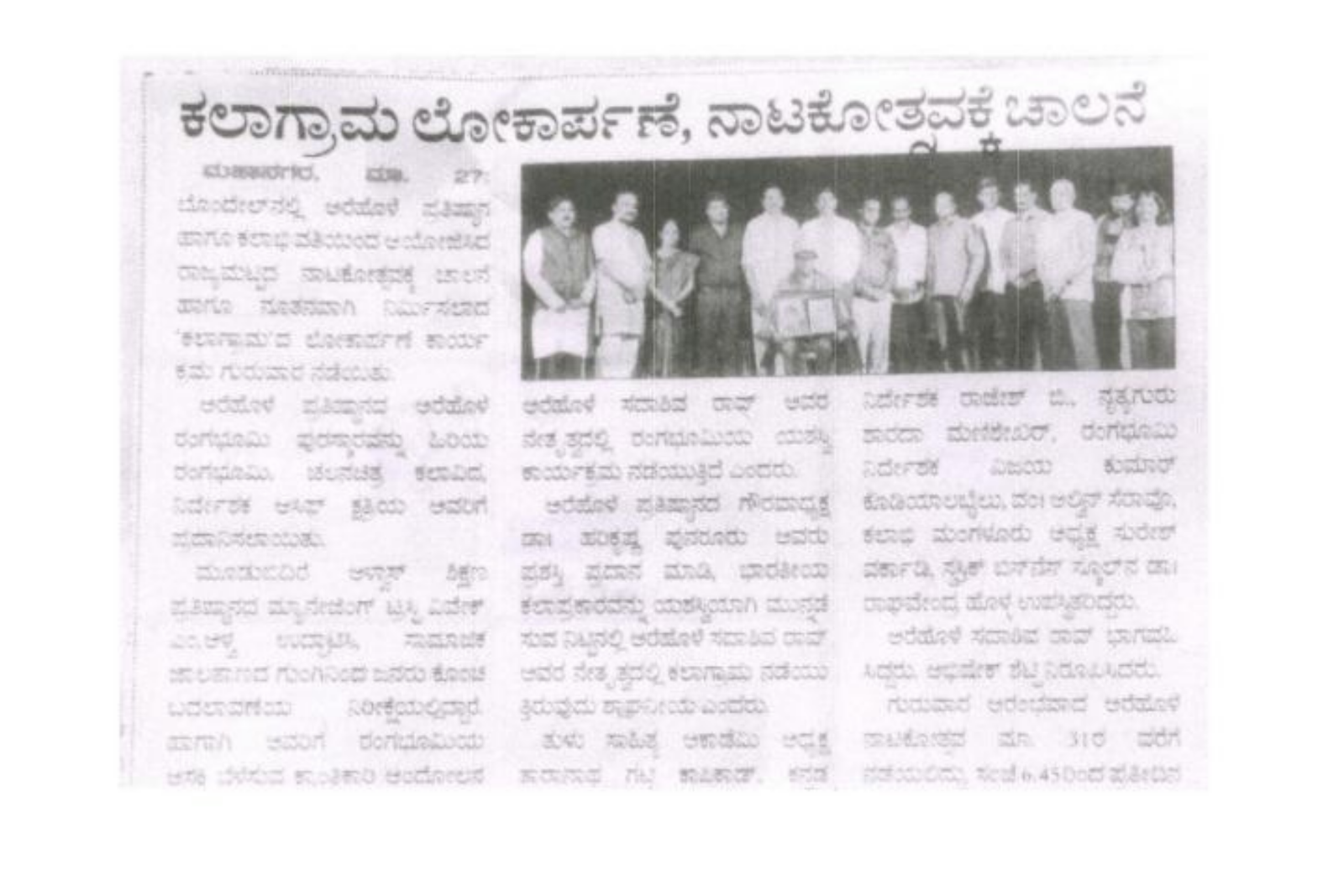
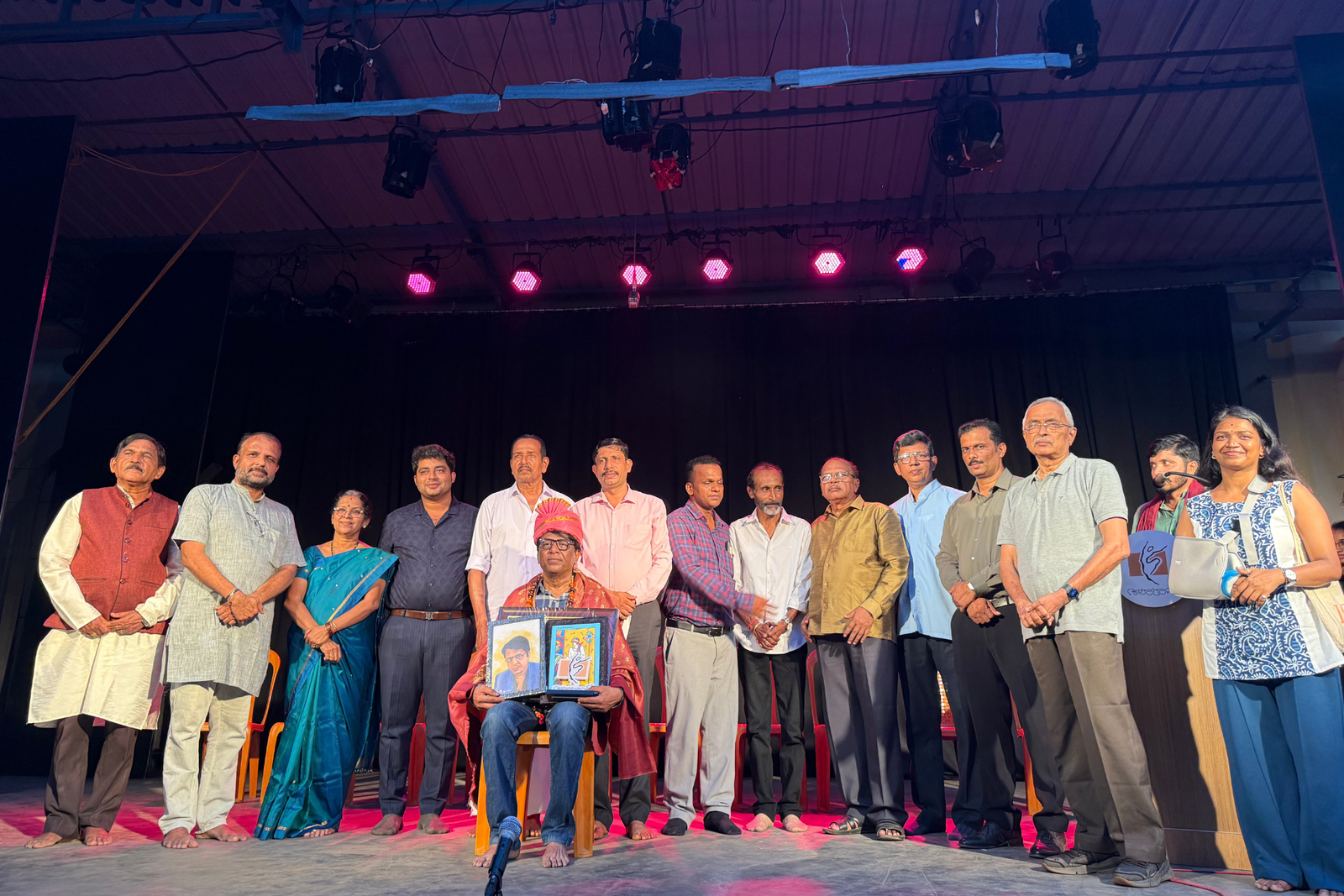
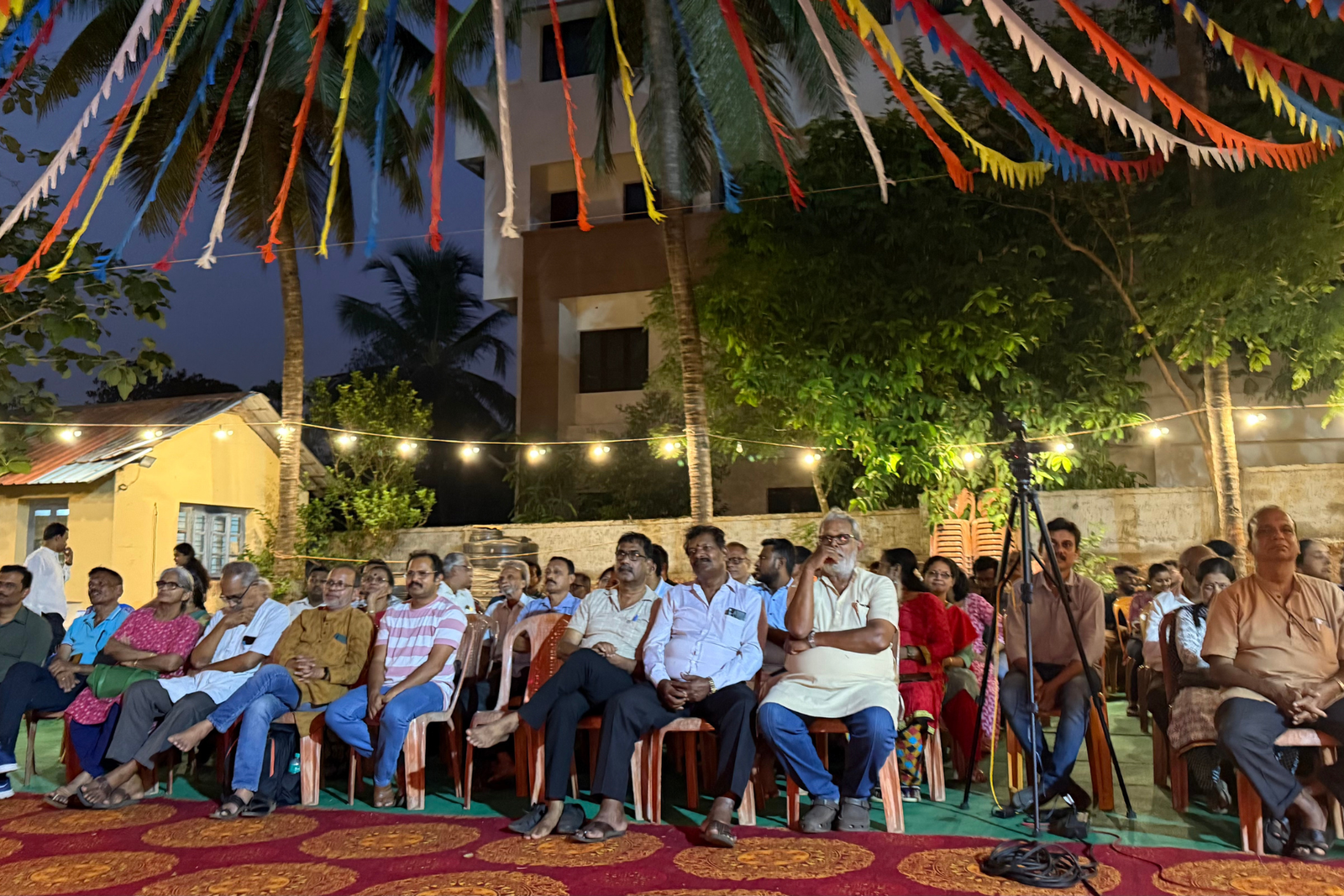
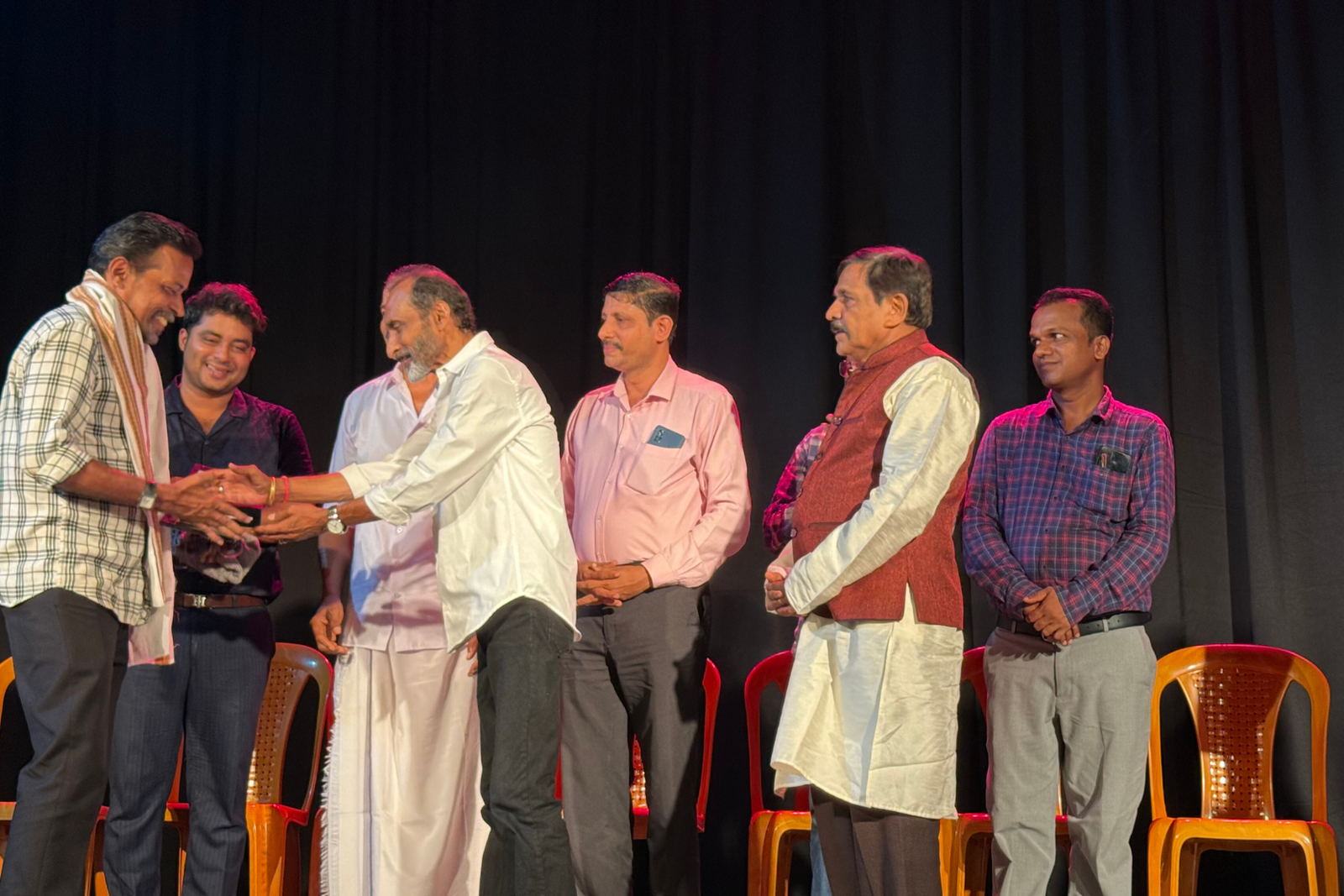
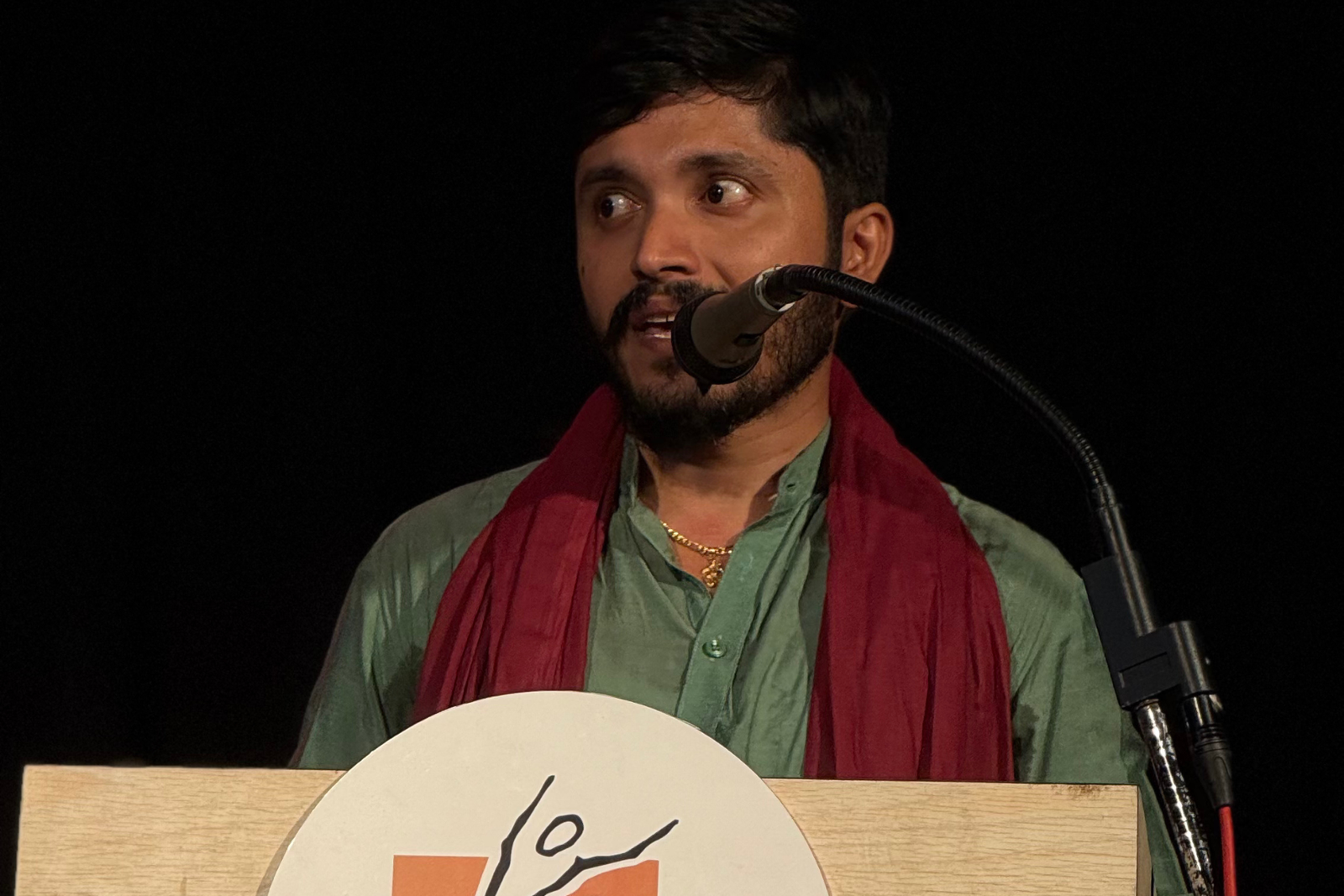
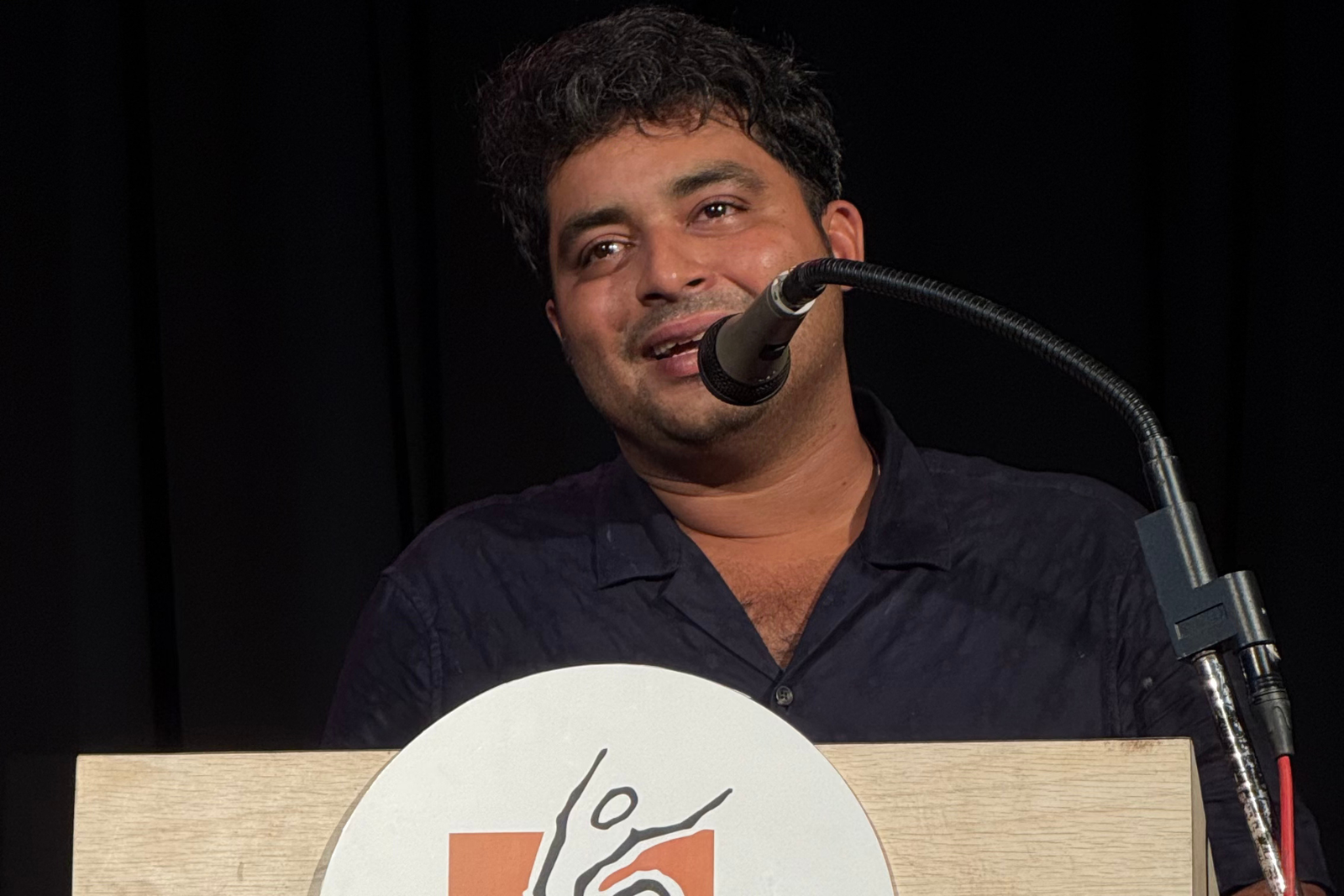
Kalagrama was officially inaugurated in March 2025 by Vivek Alva, Managing Trustee of Alva's Education Foundation. The opening coincided with the decennial celebration of Arehole Prathishtana's annual Natakotsava, and the new venue began its journey by hosting a five-day theatre festival. Thus, Kalagrama opened not merely as a physical structure, but through a collective celebration of theatre and artistic practice.
From the beginning, the intention was to keep Kalagrama active rather than allowing it to function as an occasional venue. The founding vision included hosting at least one art-related event every month, ranging from theatre performances and art camps to exhibitions, magic shows and other cultural programmes.
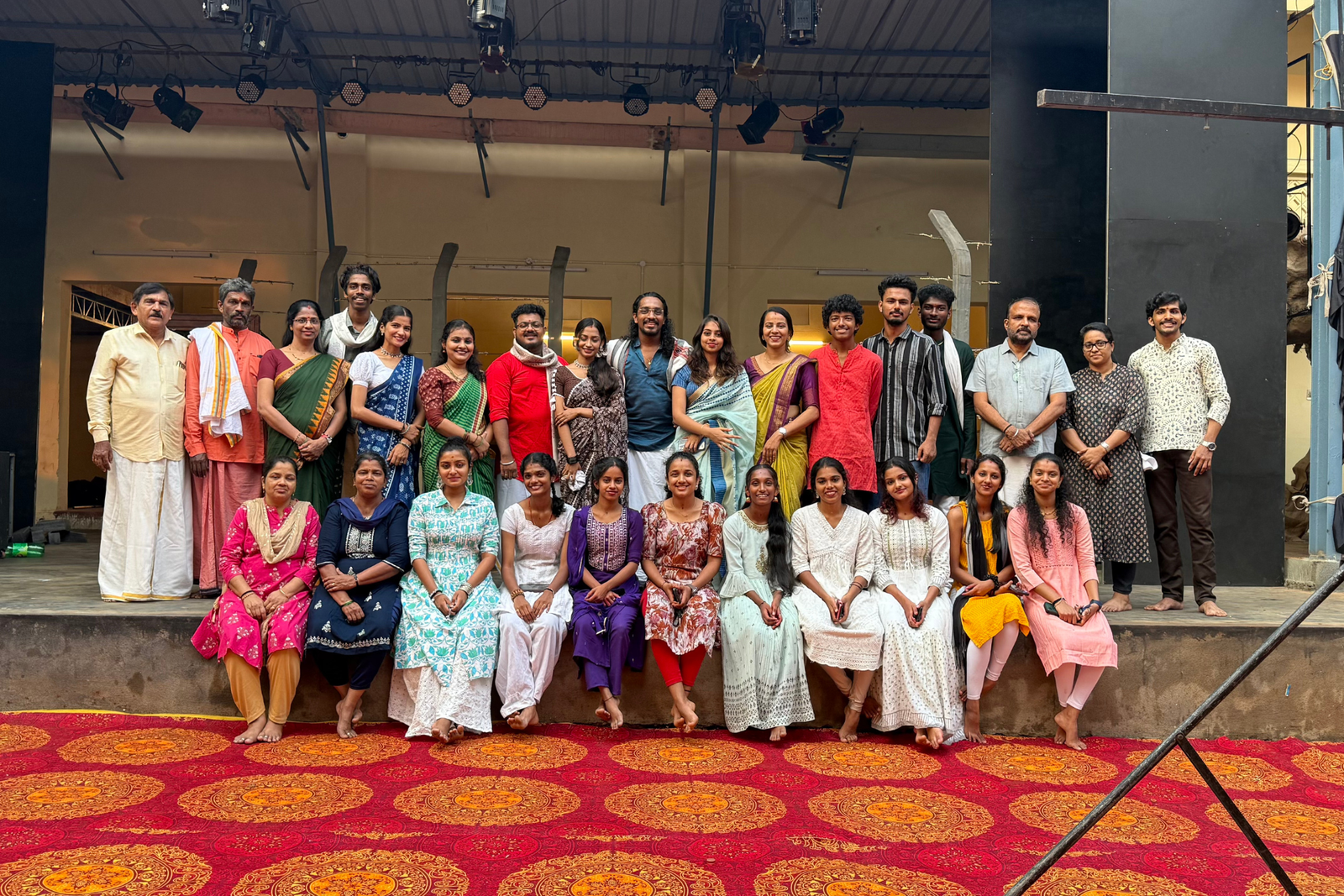
As the space developed, Kalagrama began accommodating different forms of theatrical and cultural practice. It also created possibilities for intimate and alternative theatre experiences. Kalabhi's production Maarikaadu was presented at Kalagrama as an intimate theatre experience, using the closeness between performers and audiences to create a theatrical relationship different from that of a conventional auditorium. In this way, the space began to support not only large public events but also experiments with form, space and audience engagement.
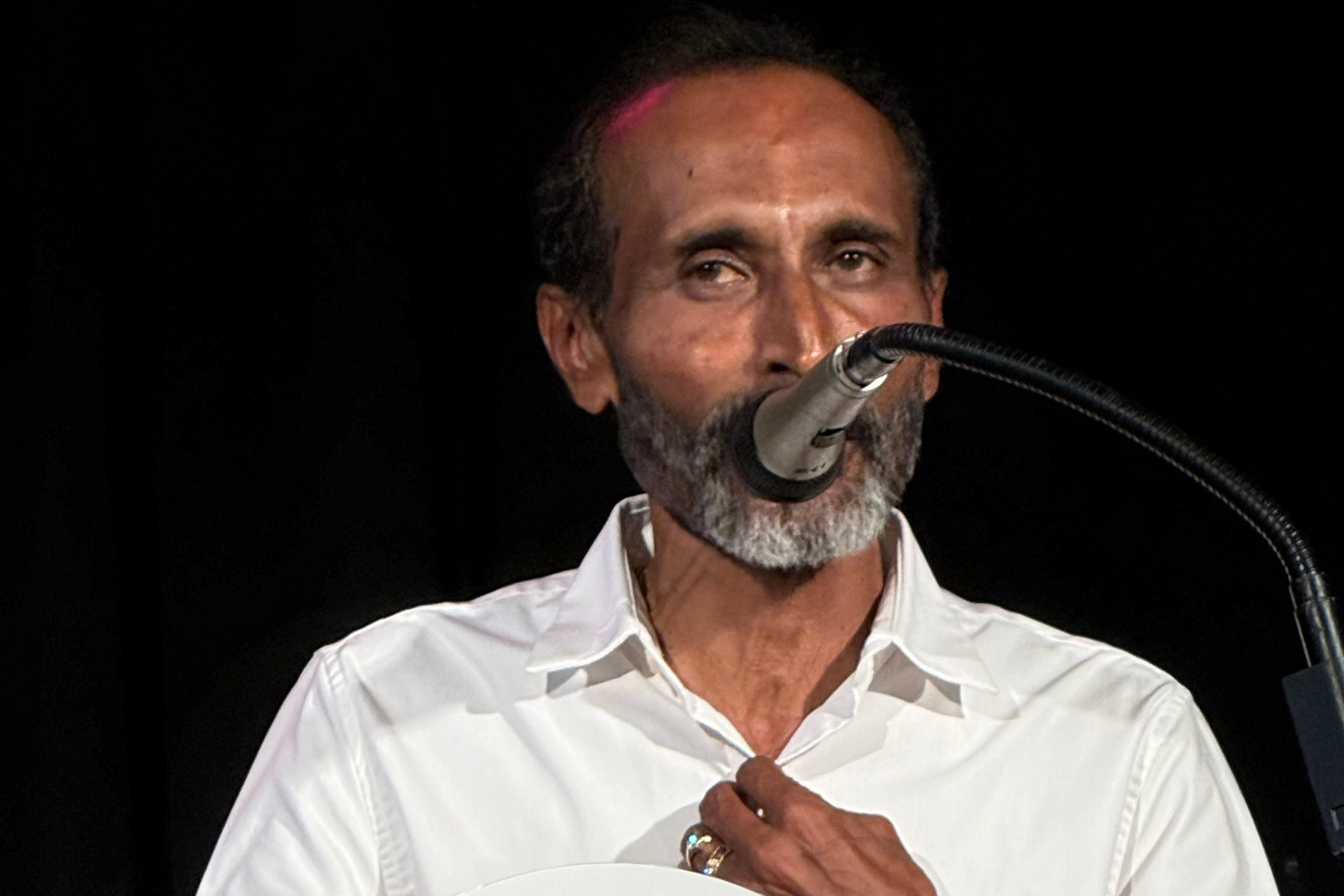
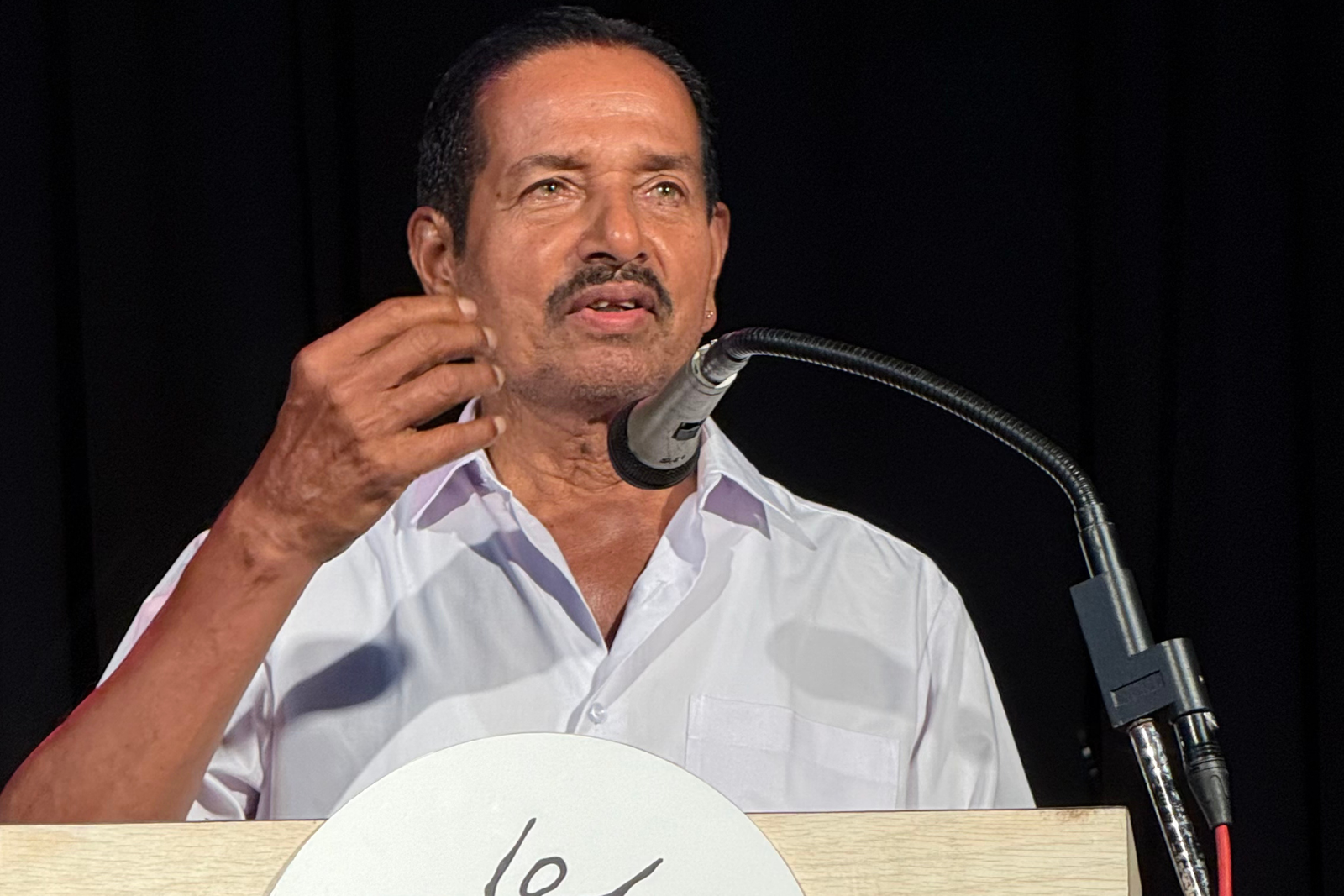
Yakshagana too found an important place in Kalagrama's journey. As part of the expansion of Kalabhi's Yakshagana study and cultural activities, Yaksharangothsava was organised at the venue, bringing artists, Yakshagana enthusiasts and audiences together within the same cultural space. The presence of distinguished cultural personalities, including Dr. Mohan Alva, added significance to this phase of Kalagrama's journey.
These developments reflect the larger purpose behind the space. Kalagrama was not intended to belong to one art form alone. Theatre, children's learning initiatives, intimate productions, Yakshagana, workshops and cultural festivals could coexist and grow within the same environment.
For Kalabhi, the importance of Kalagrama is particularly significant. After years of theatre productions, children's theatre, workshops, theatre music, Yakshagana study and artistic collaborations, Kalagrama provides a continuous creative base for these practices. Artists can come not only to perform but also to learn, rehearse, experiment, interact and collectively develop new artistic work.
Perhaps the most significant aspect of Kalagrama is the way it was created. It was not originally conceived as a large purpose-built cultural complex. Instead, an ordinary space was recognised for its potential and gradually transformed according to the needs of artists and artistic practice. Its story is therefore larger than the construction of a venue—it is an attempt to transform a space into a part of cultural life.
Looking at its journey today, Kalagrama brings together theatre festivals, productions, intimate theatre, Yakshagana events, learning processes and interactions with artists and cultural personalities. Beginning with its inauguration by Vivek Alva and the inaugural theatre festival, the space has continued to expand its identity through diverse artistic activities and collaborations.
If Kalabhi represents an artistic vision, Kalagrama gives that vision a living space. It is more than a stage or a venue. It is an evolving cultural environment where artists and audiences can meet, where learning and performance become part of the same process, where new experiments can emerge and where different art forms can enter into dialogue with one another.
From the need that led to its creation, through its inauguration and theatre festival, to intimate theatre, Yaksharangothsava and its continuing cultural activities, Kalagrama has become not only an important milestone in Kalabhi's journey but an evolving living cultural centre with the potential to support the artistic life of Mangaluru and the wider coastal region.