Aralu 2025
Aralu 2025 was a 10 day intensive children’s theatre workshop organised jointly by Kalabhi and Canara Cultural Academy, bringing together 30 children, including 10 children who were given free participation, to explore theatre through creative exercises, performance and the process of developing a production. The workshop created a space for children to step outside their usual surroundings and engage with theatre through imagination, observation, expression and collective work.
Throughout the workshop, the children took part in a range of theatre activities and gradually moved towards preparing two productions. The process included character work, performance exercises and preparation for the stage, allowing the children to experience the different stages involved in creating a play rather than limiting their participation to the final performance.
One of the distinctive parts of the workshop was Aralu Sanchara, a theatre parade conducted in association with City Centre. The children entered the public space in different characters and groups, including tribals, mimes, clowns, aged people, blind people, kings, and cats and rats. The activity brought theatre outside the conventional stage and encouraged the children to interact with people through performance. The parade also recognised the participating teams through awards including First Prize for Team Birugali, Second Prize for Team Asangata, People’s Favourite for Team Tamboola, and Most Entertaining Team for Team Aralu Kiladigalu.
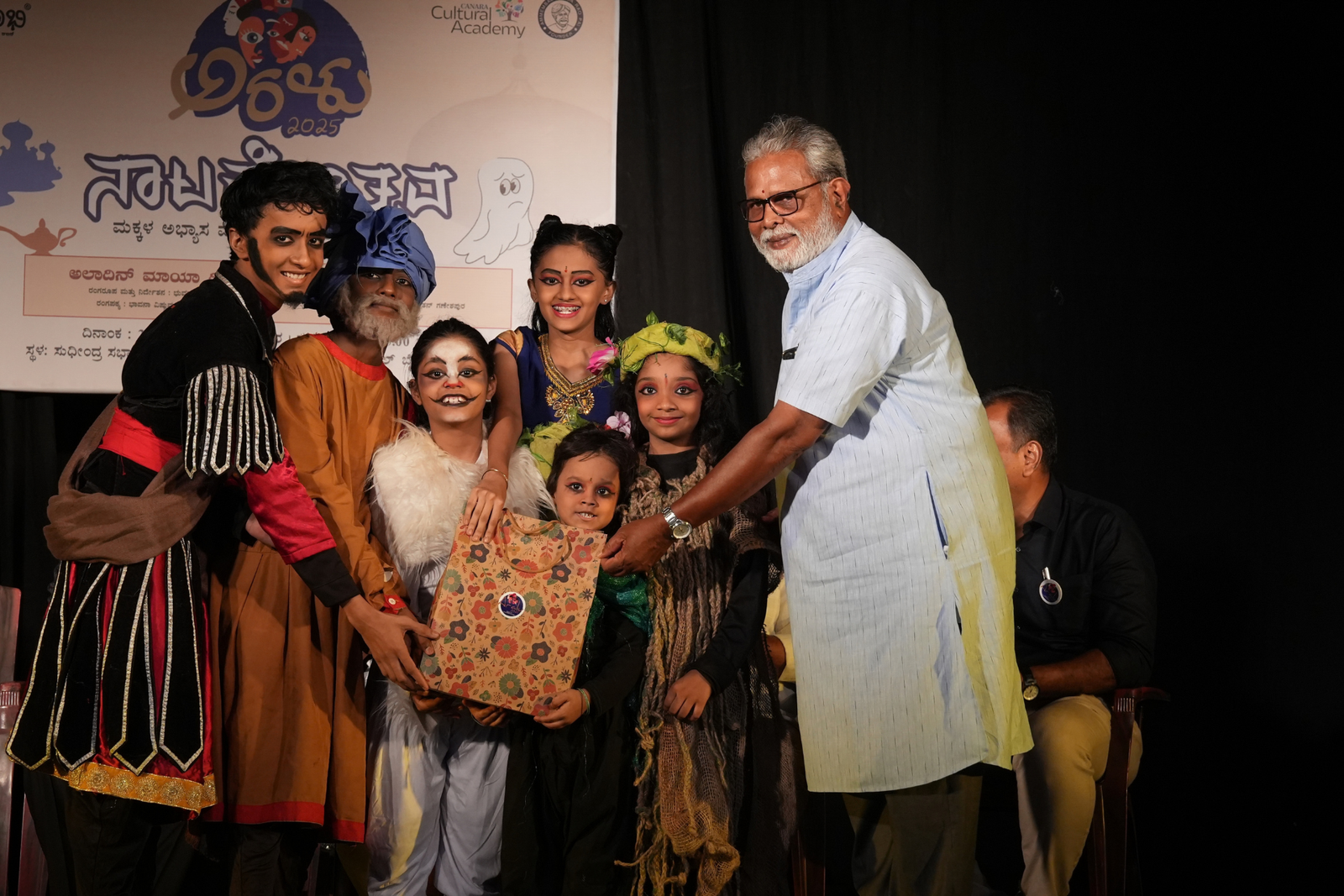
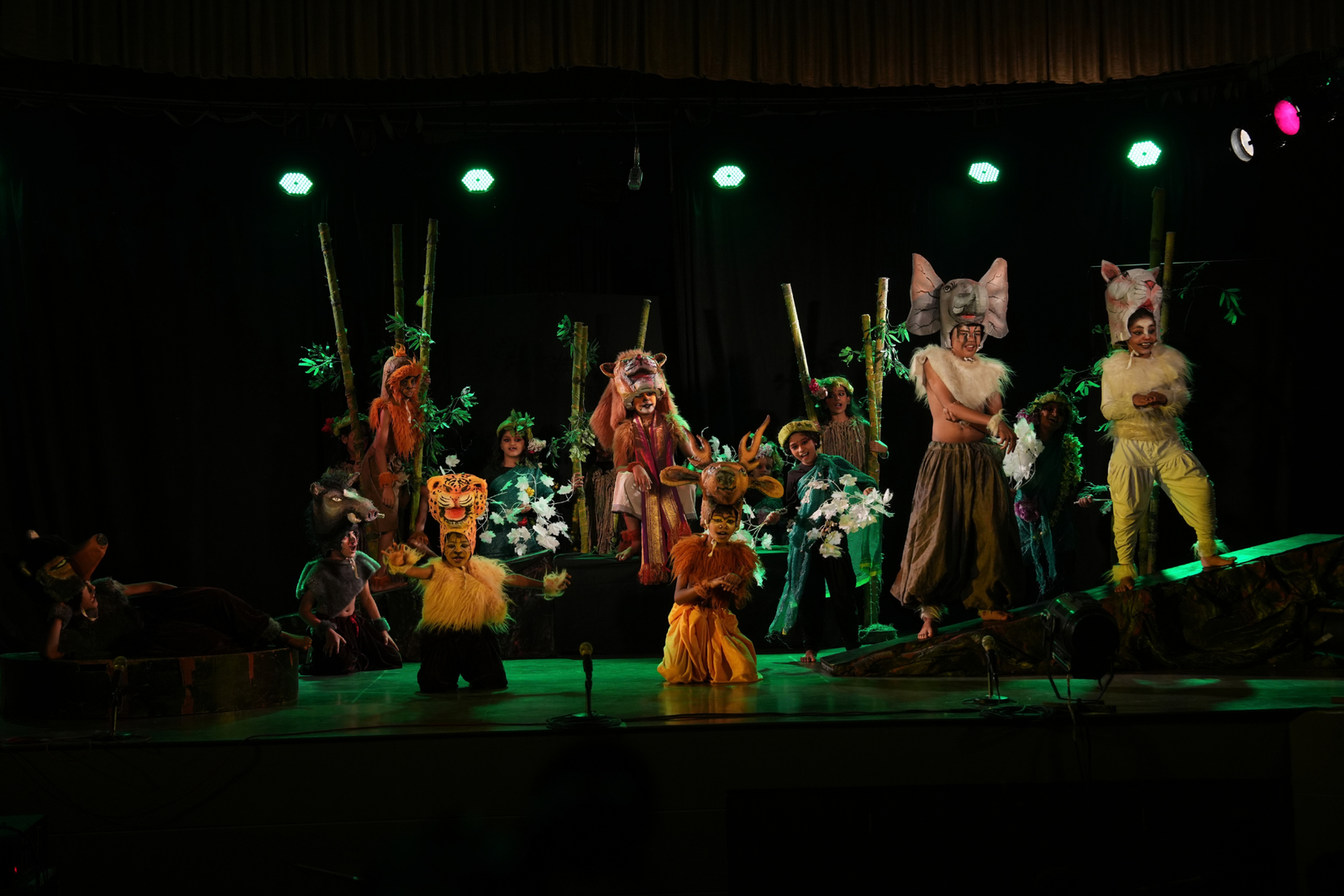
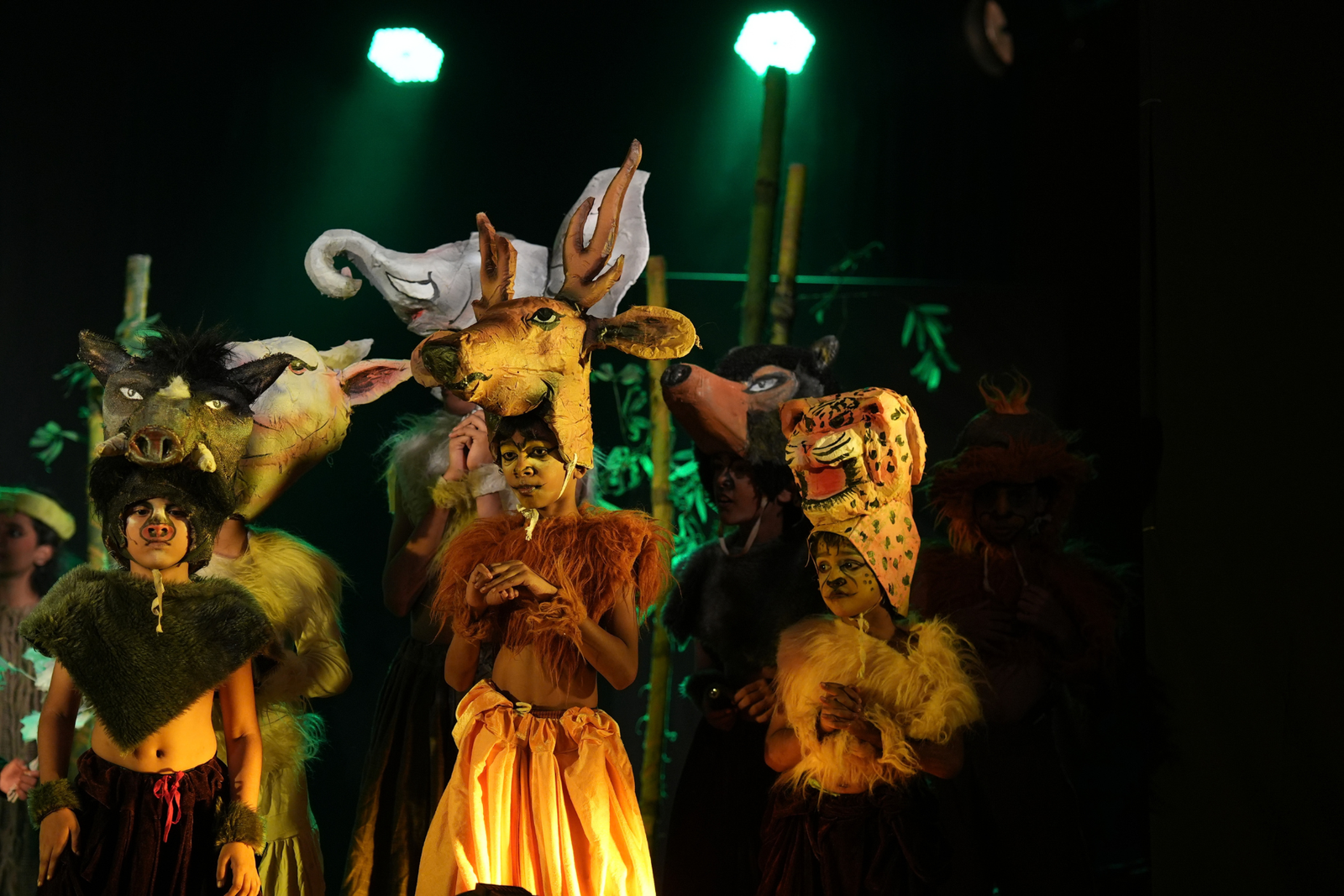
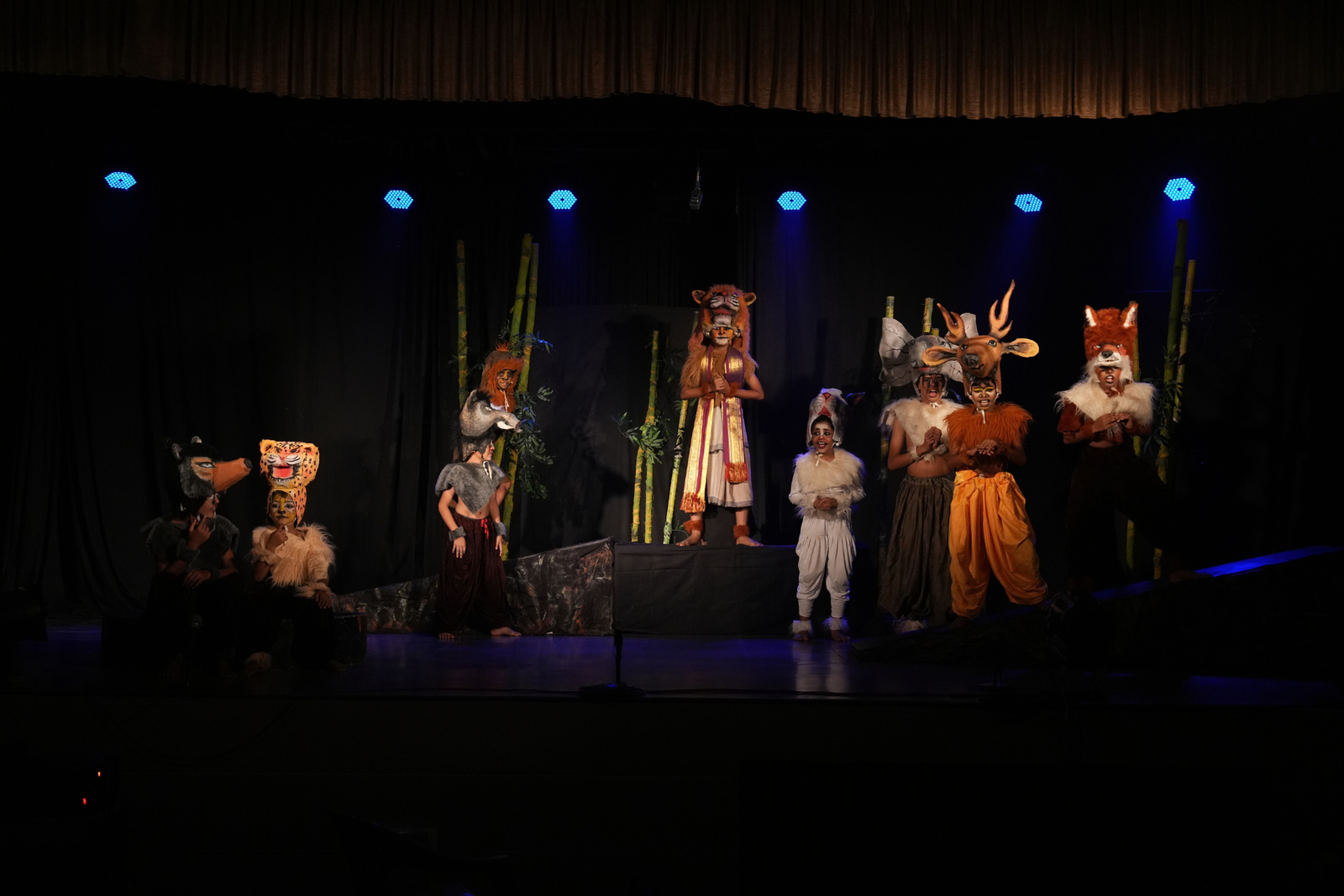
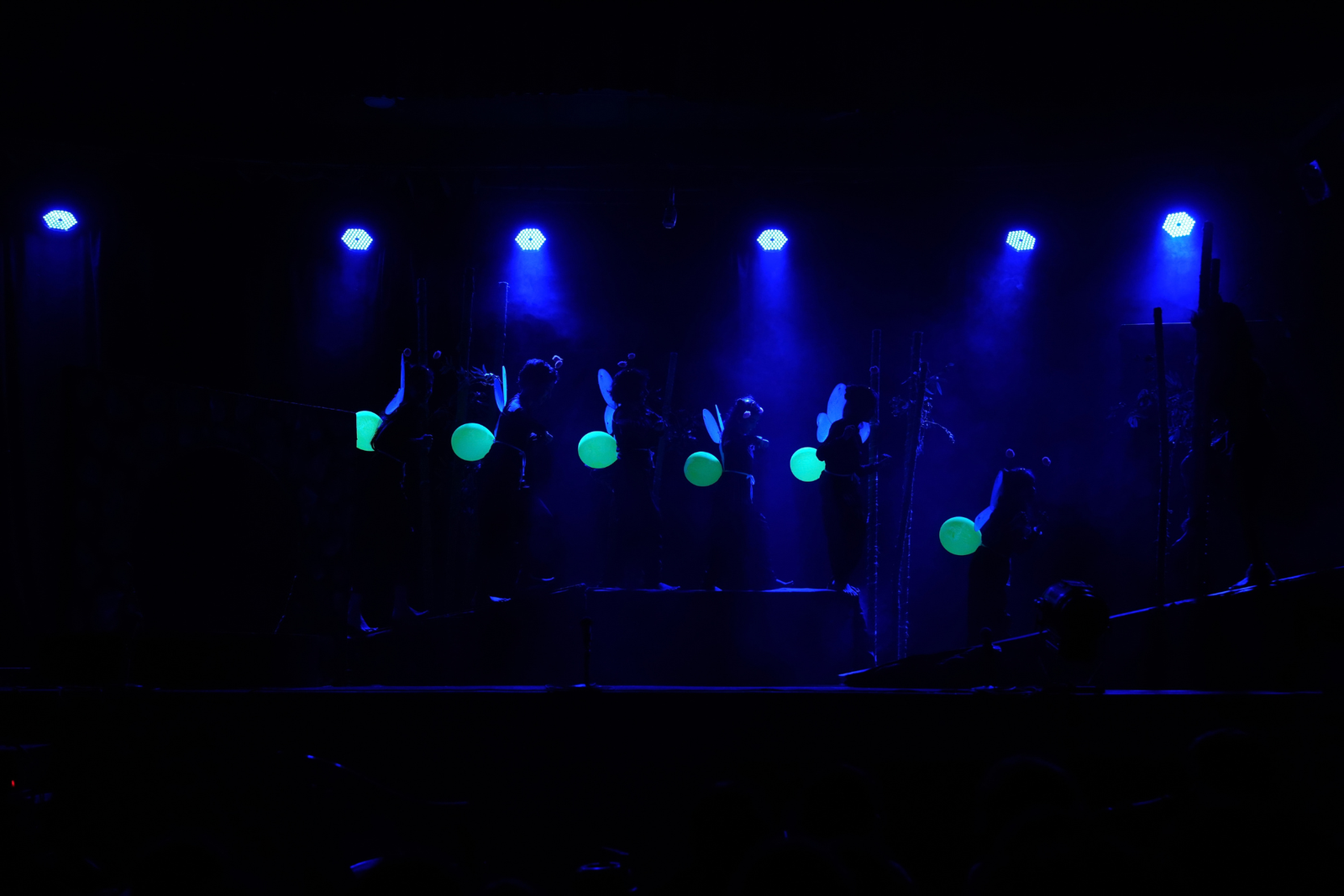
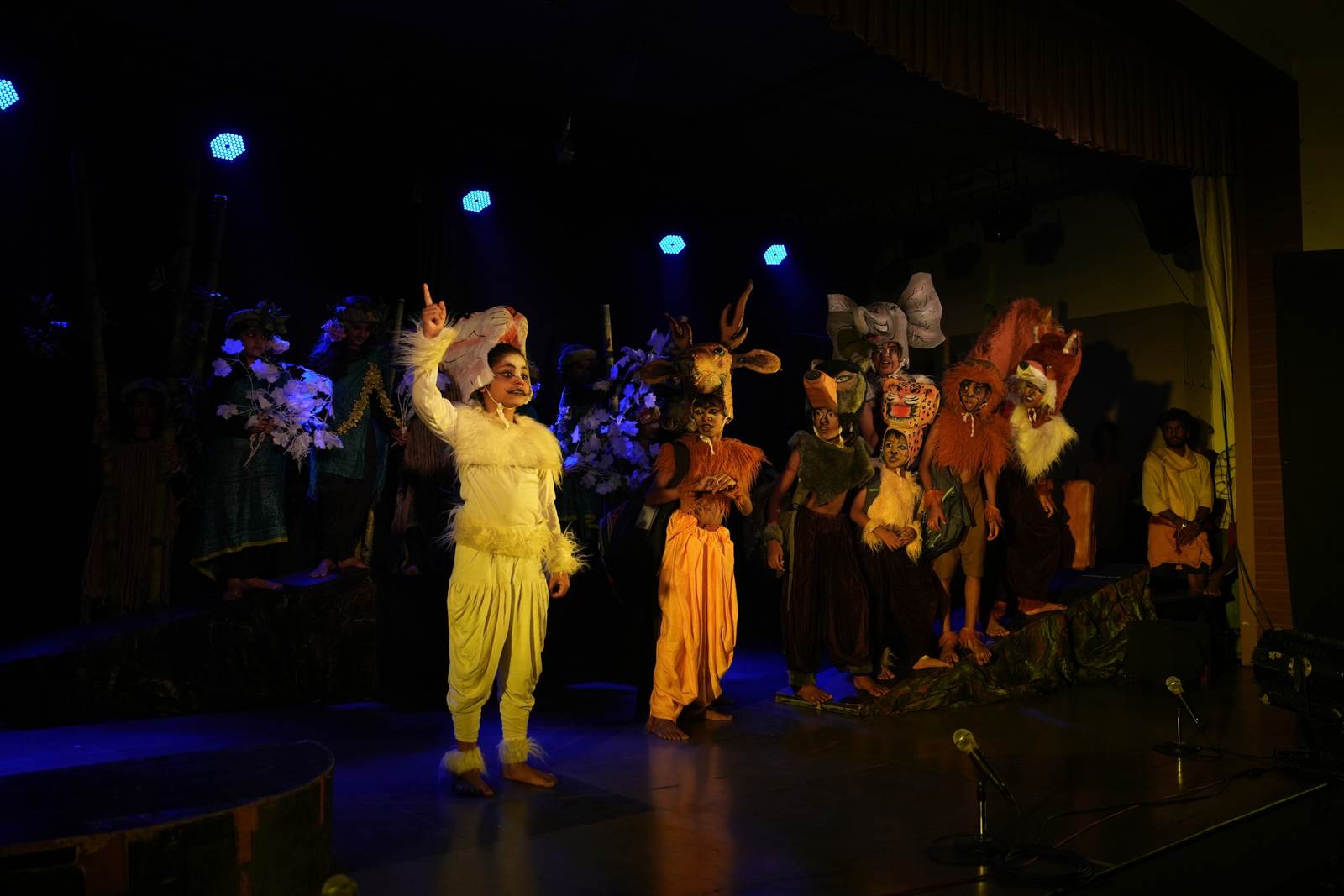
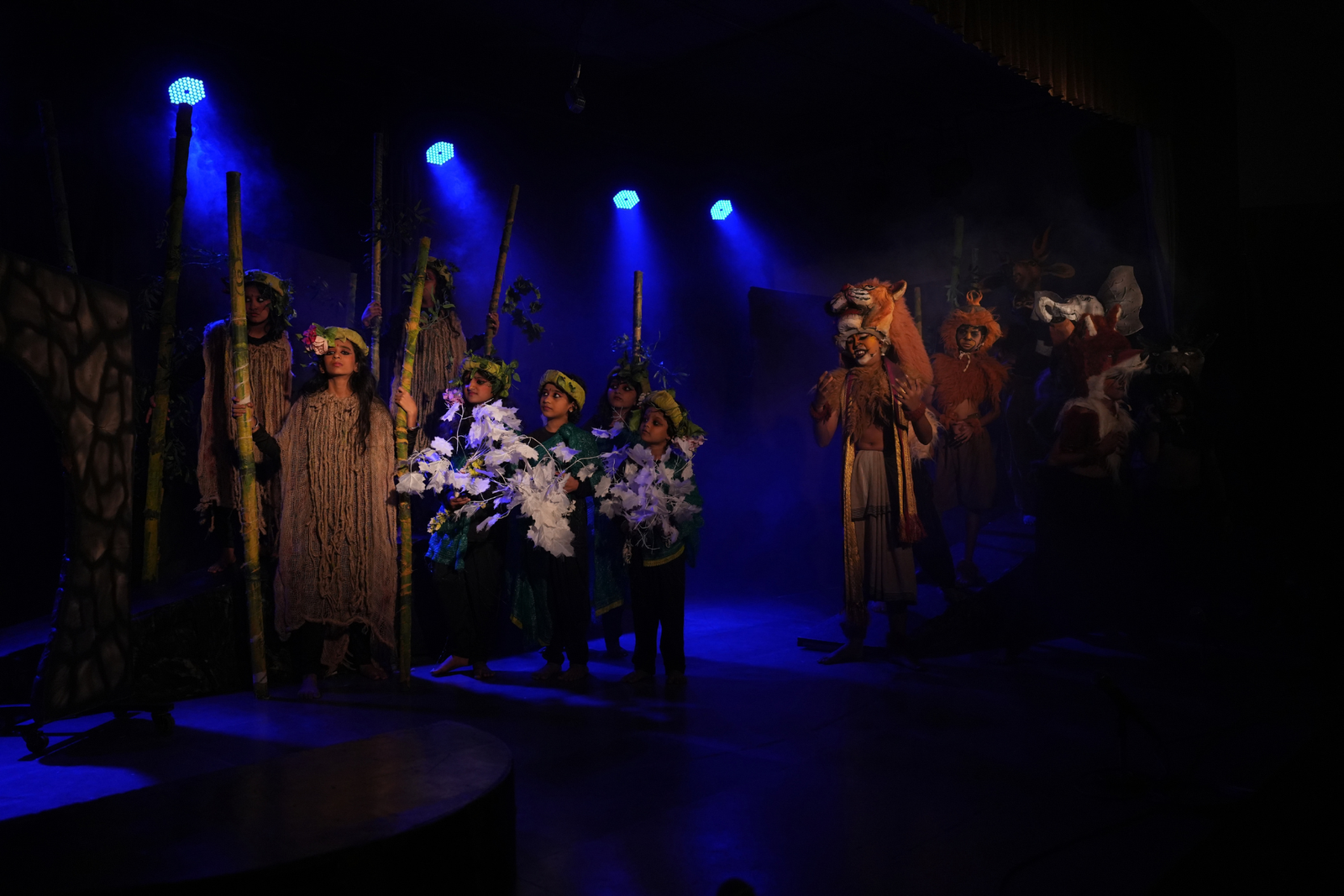
The workshop culminated in Aralu 2025 Natakotsava, held on 26 April 2025 at Canara High School, Kodialbail, Mangaluru. The festival presented the two productions prepared during the workshop Allahdin Maayadeepa, directed by Bhuvan Manipal, and Gaalimaatu, directed by Chethan Ganeshpura. The children brought the work they had developed during the workshop onto the stage before an audience, marking the culmination of the ten-day process.
Aralu 2025 brought together learning, experimentation, public interaction and performance within a single theatre experience. From the workshop activities and Aralu Sanchara to the final productions, the programme gave children the opportunity to encounter theatre not only as something to watch, but as something to create, experience and be a part of.